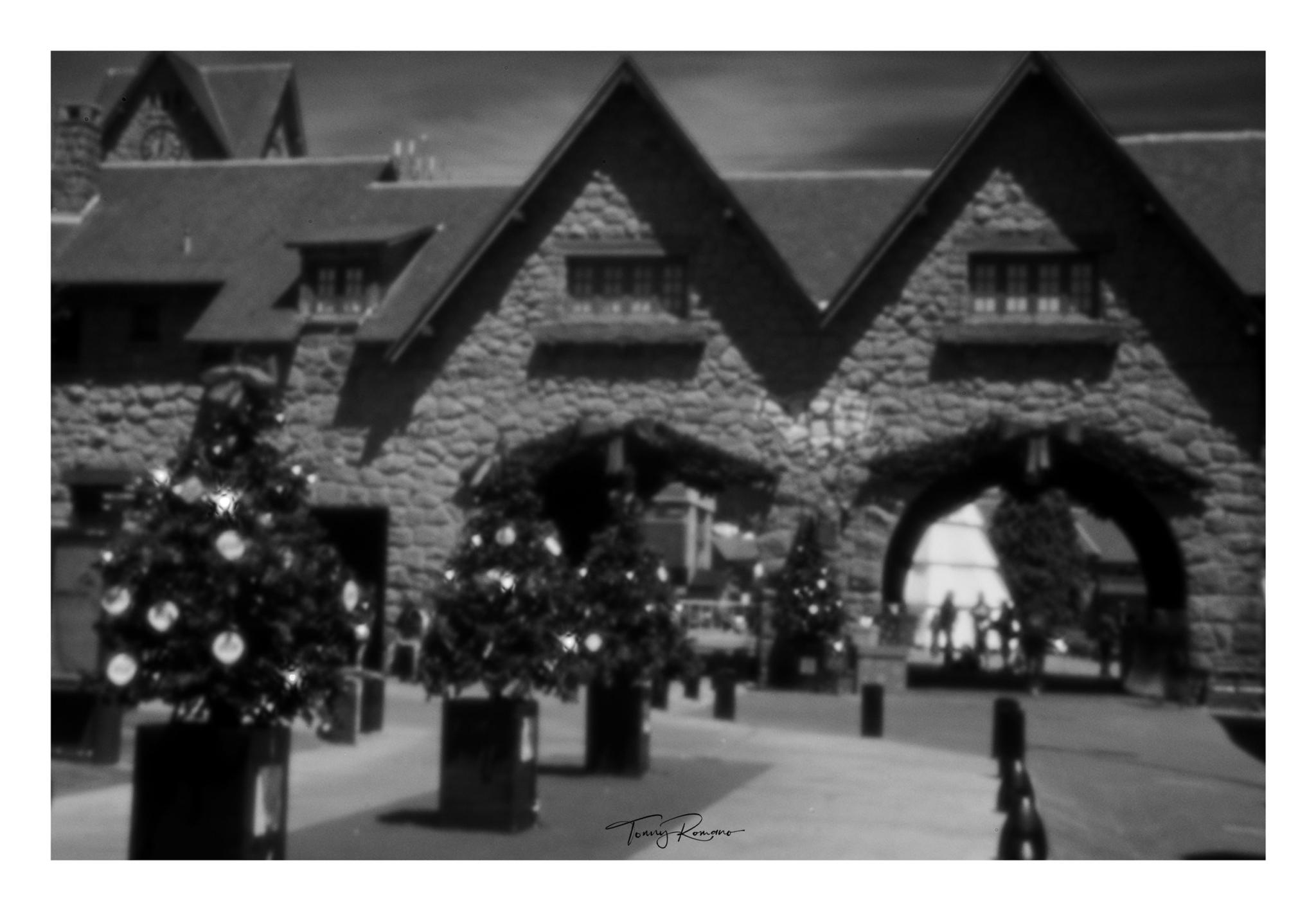
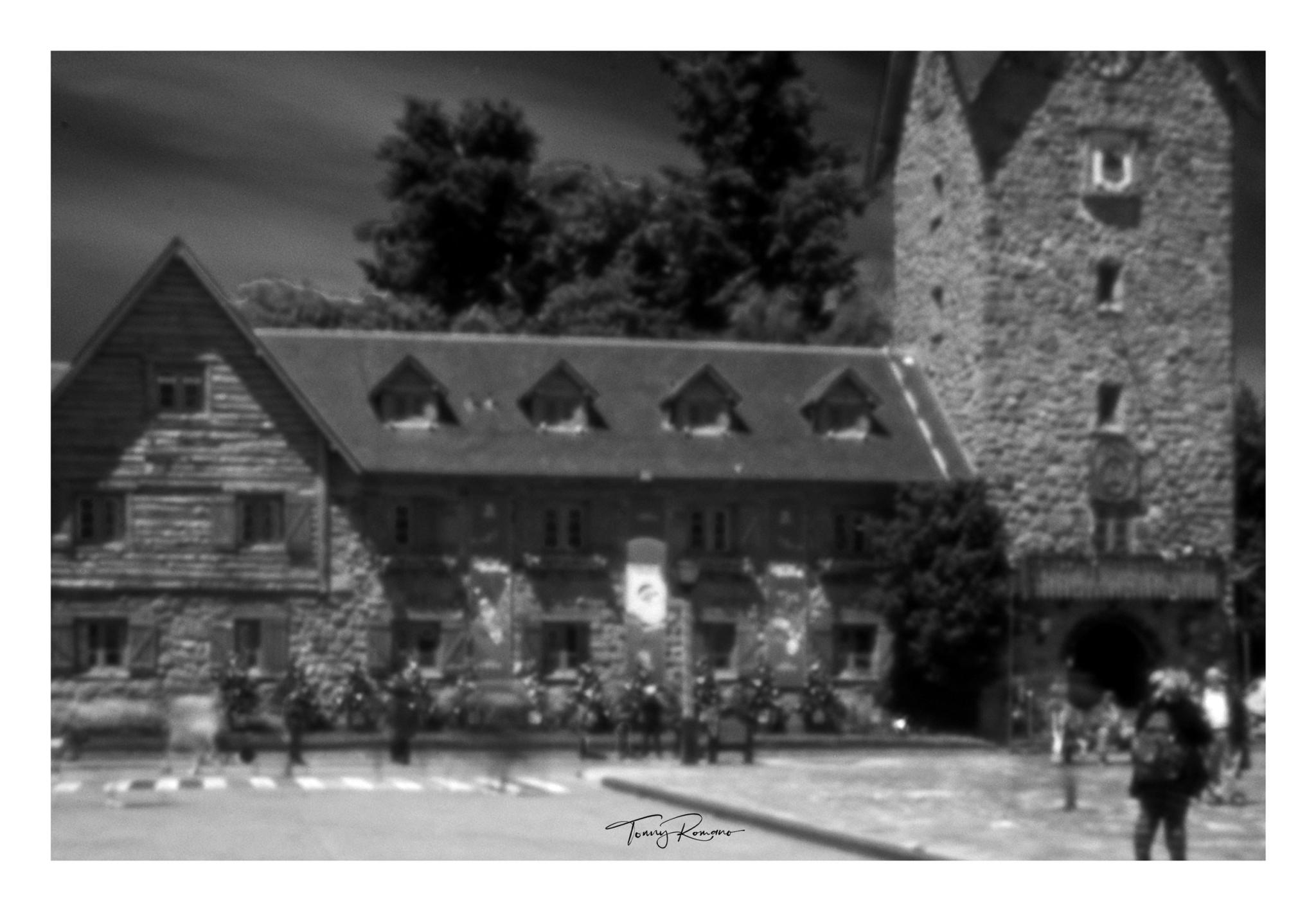
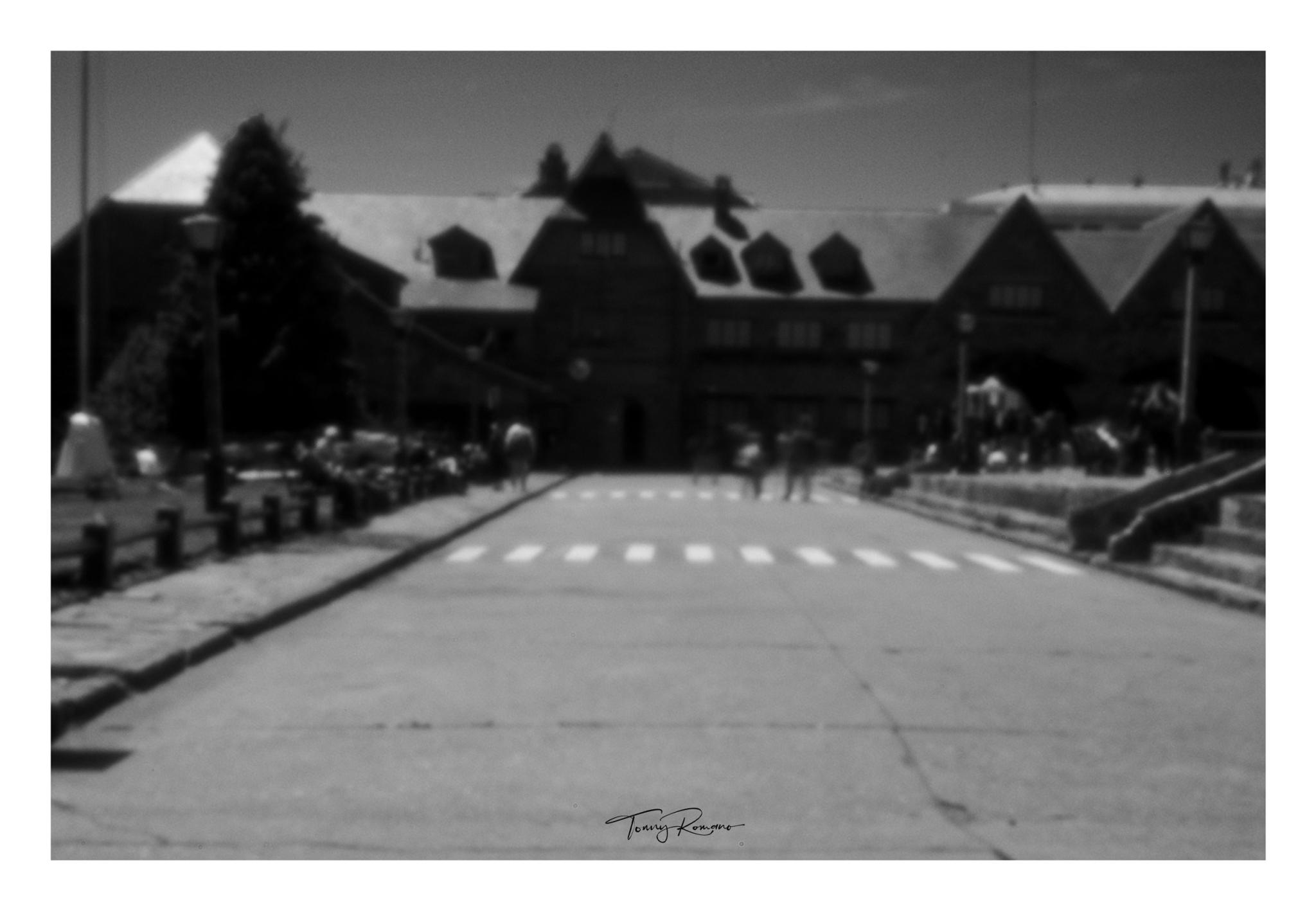
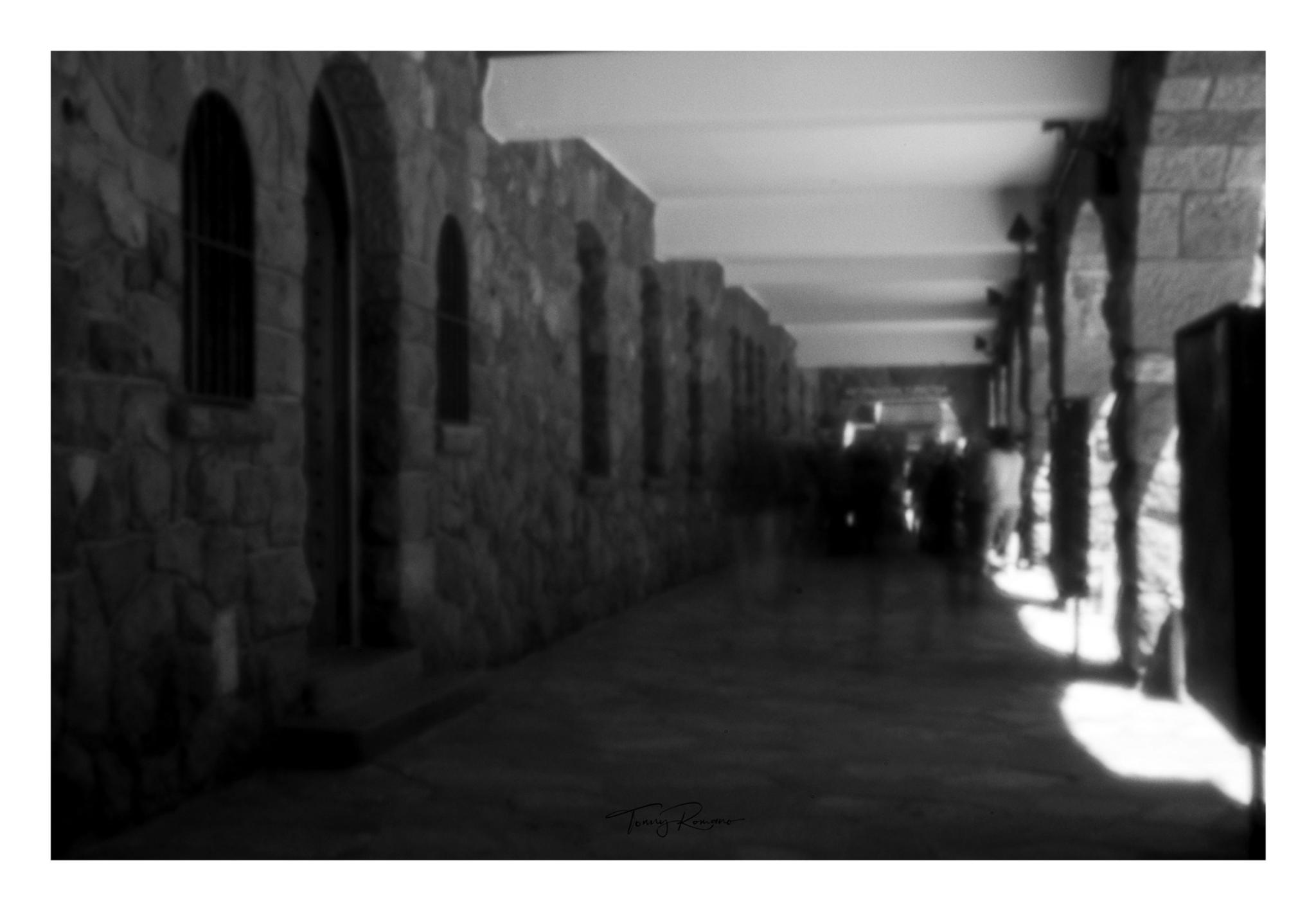
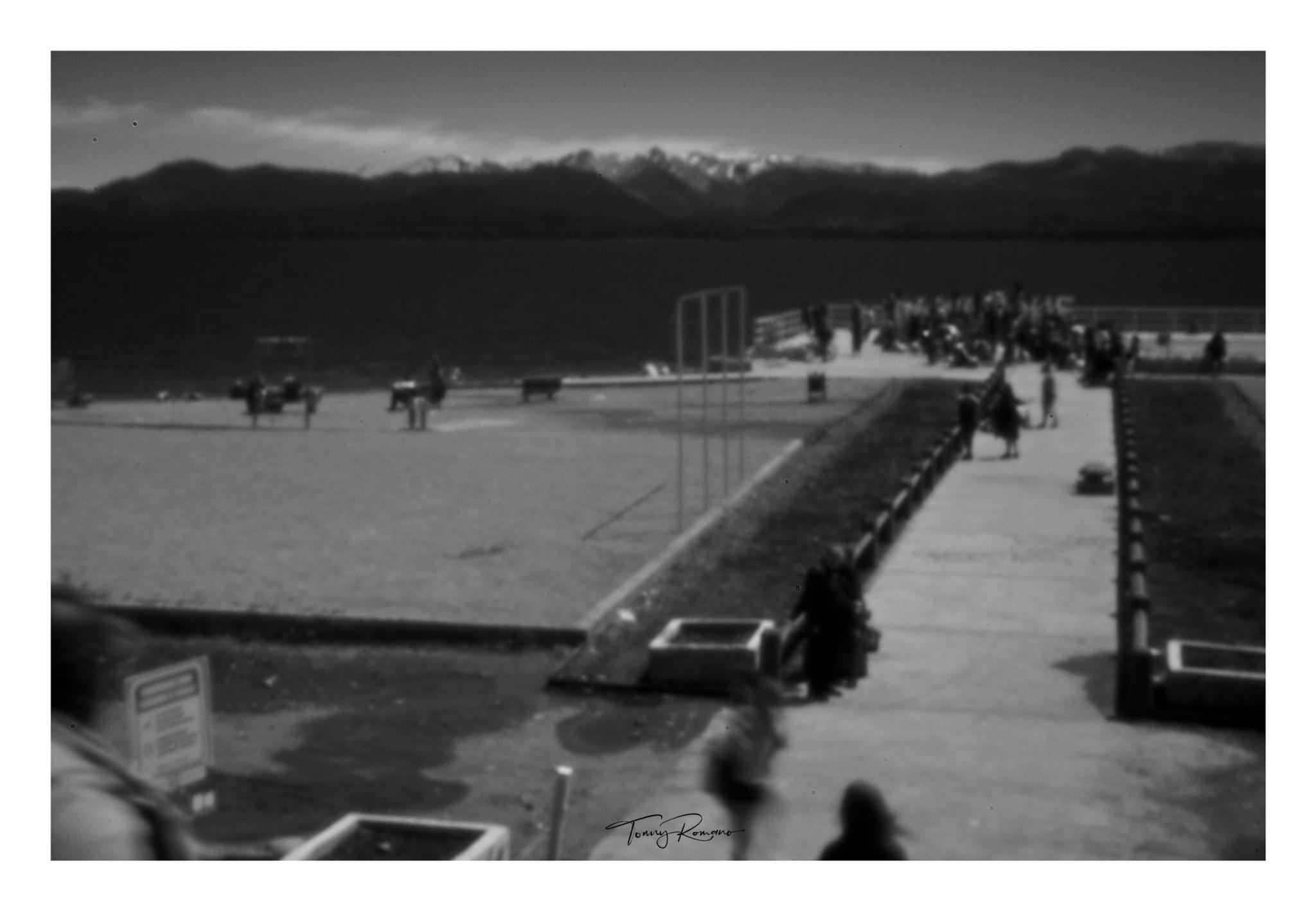
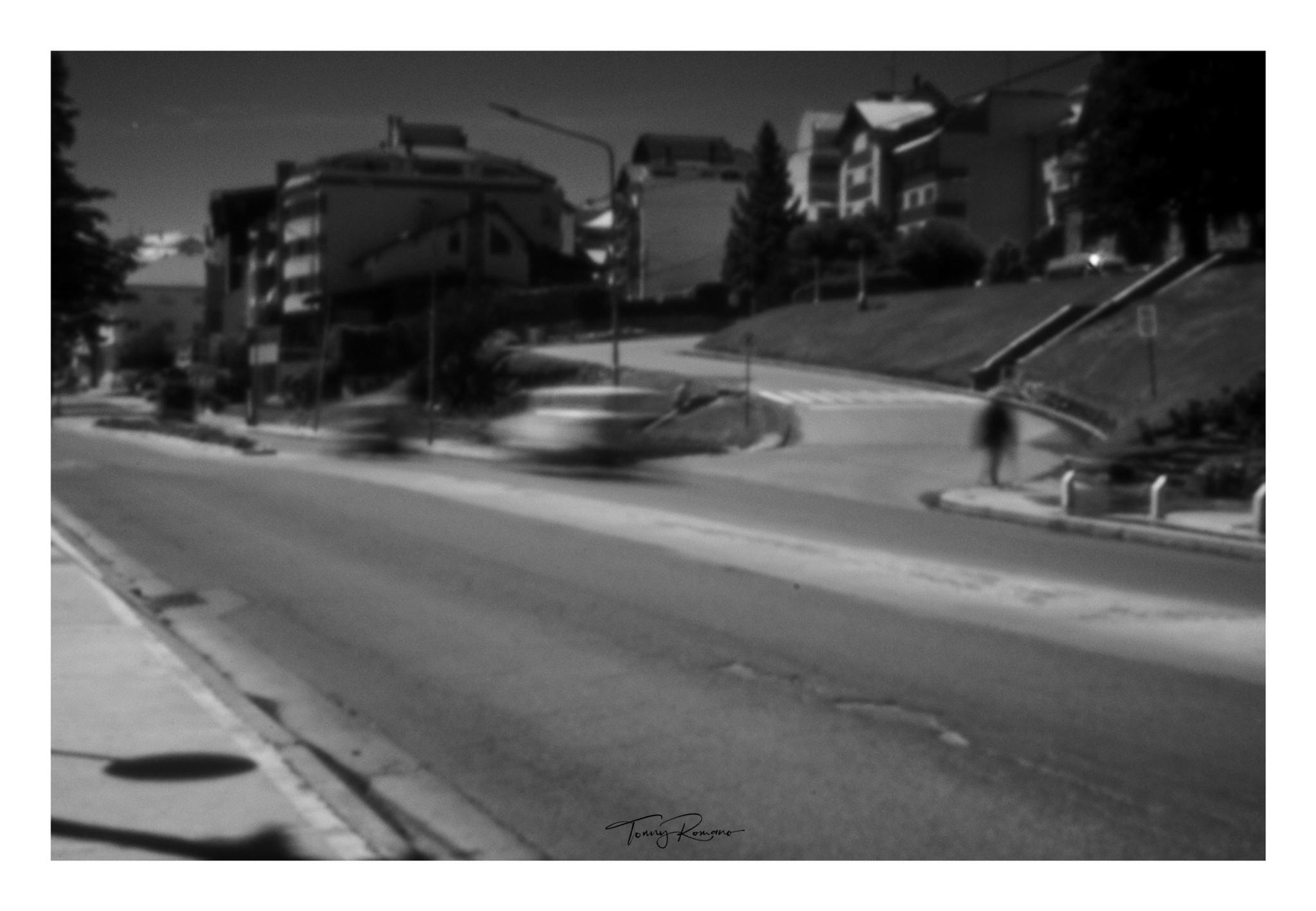
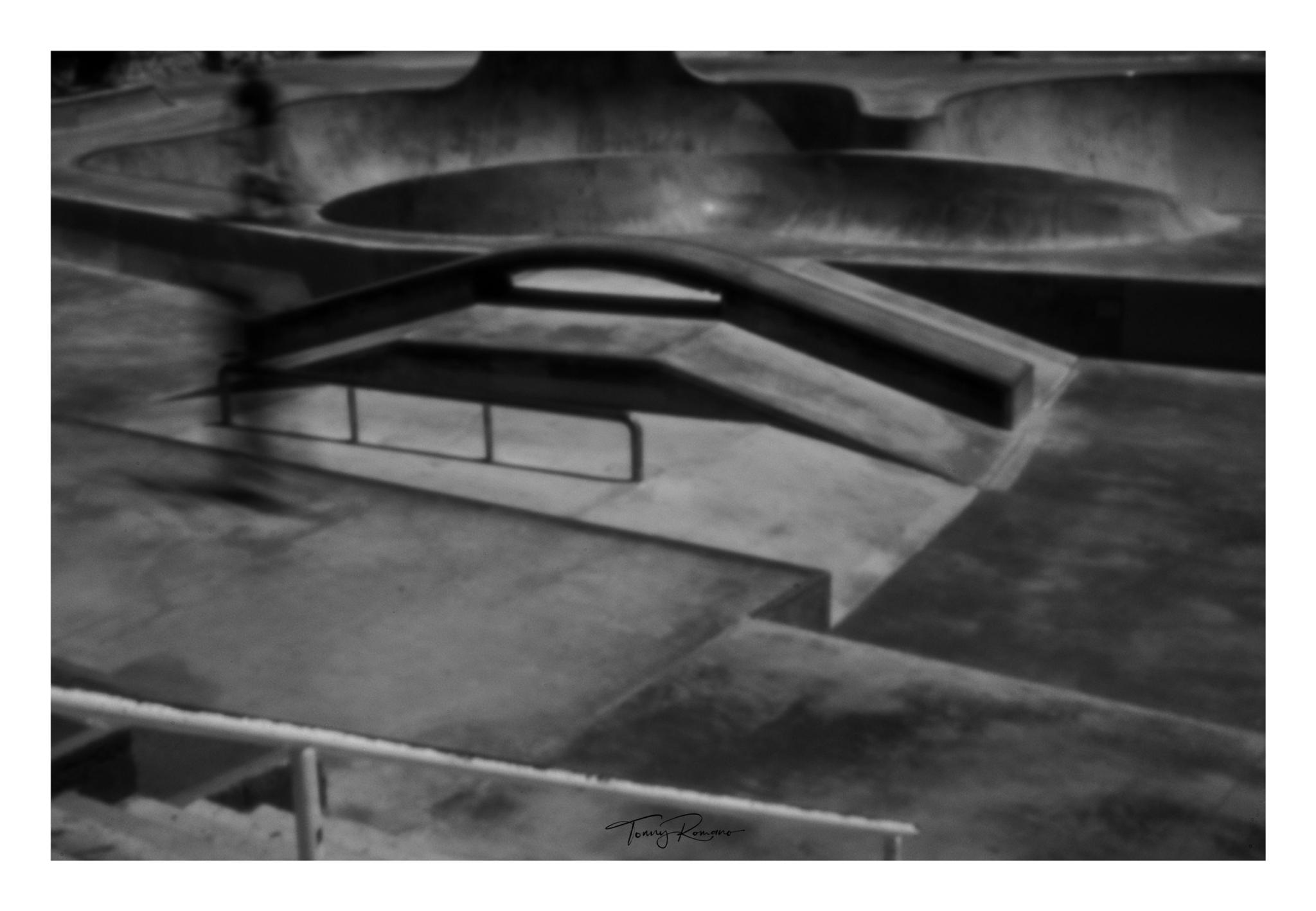
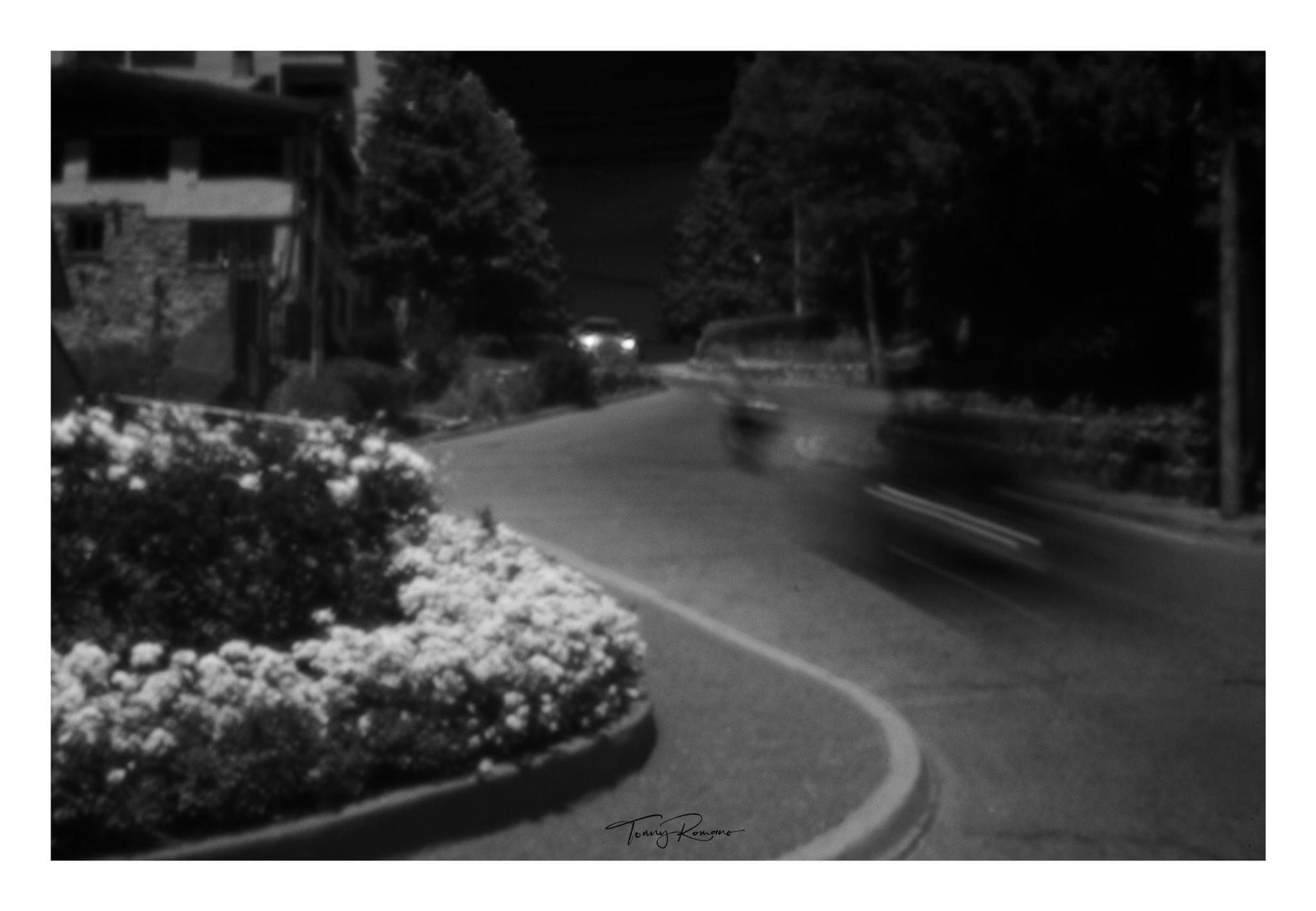
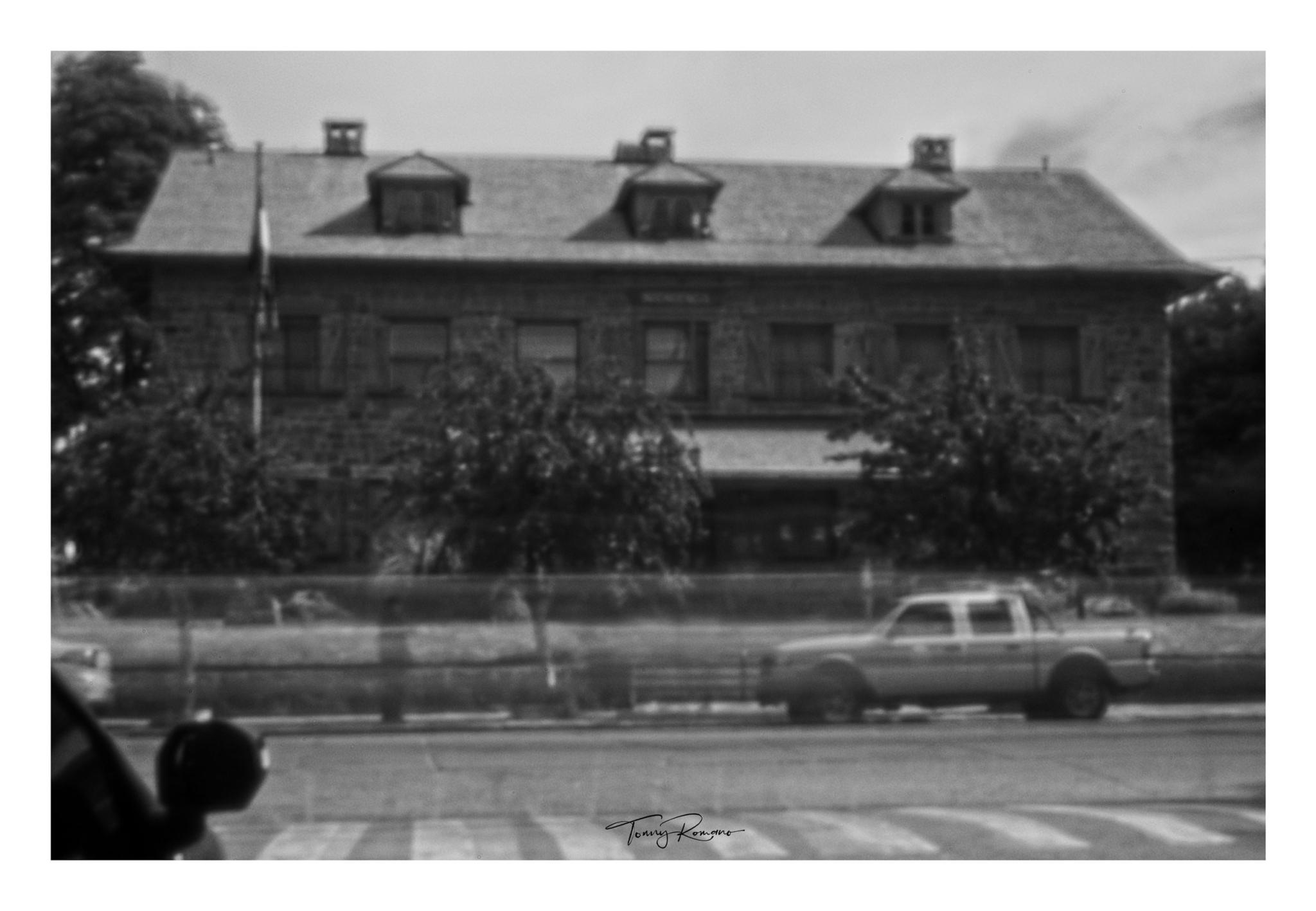
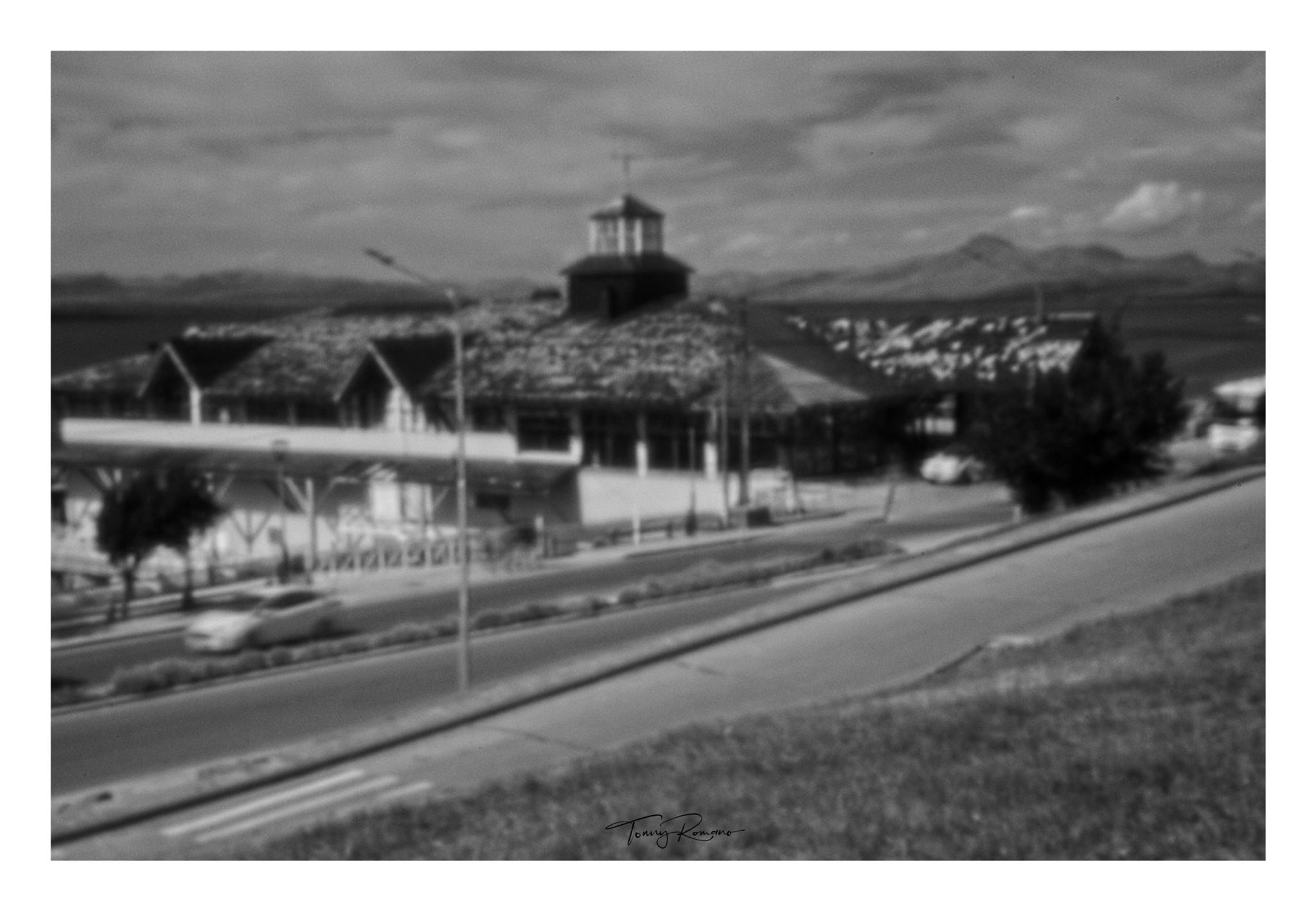
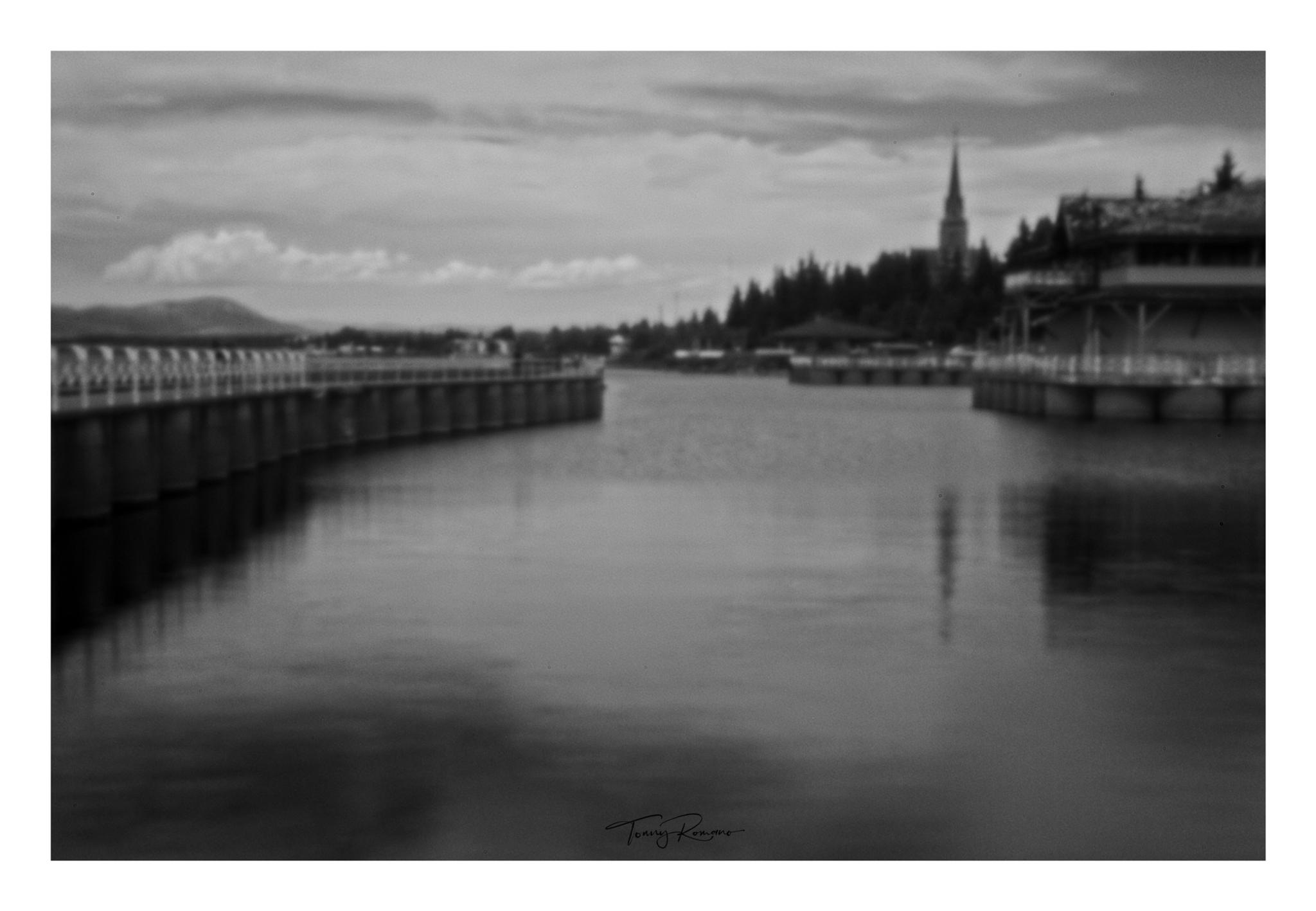
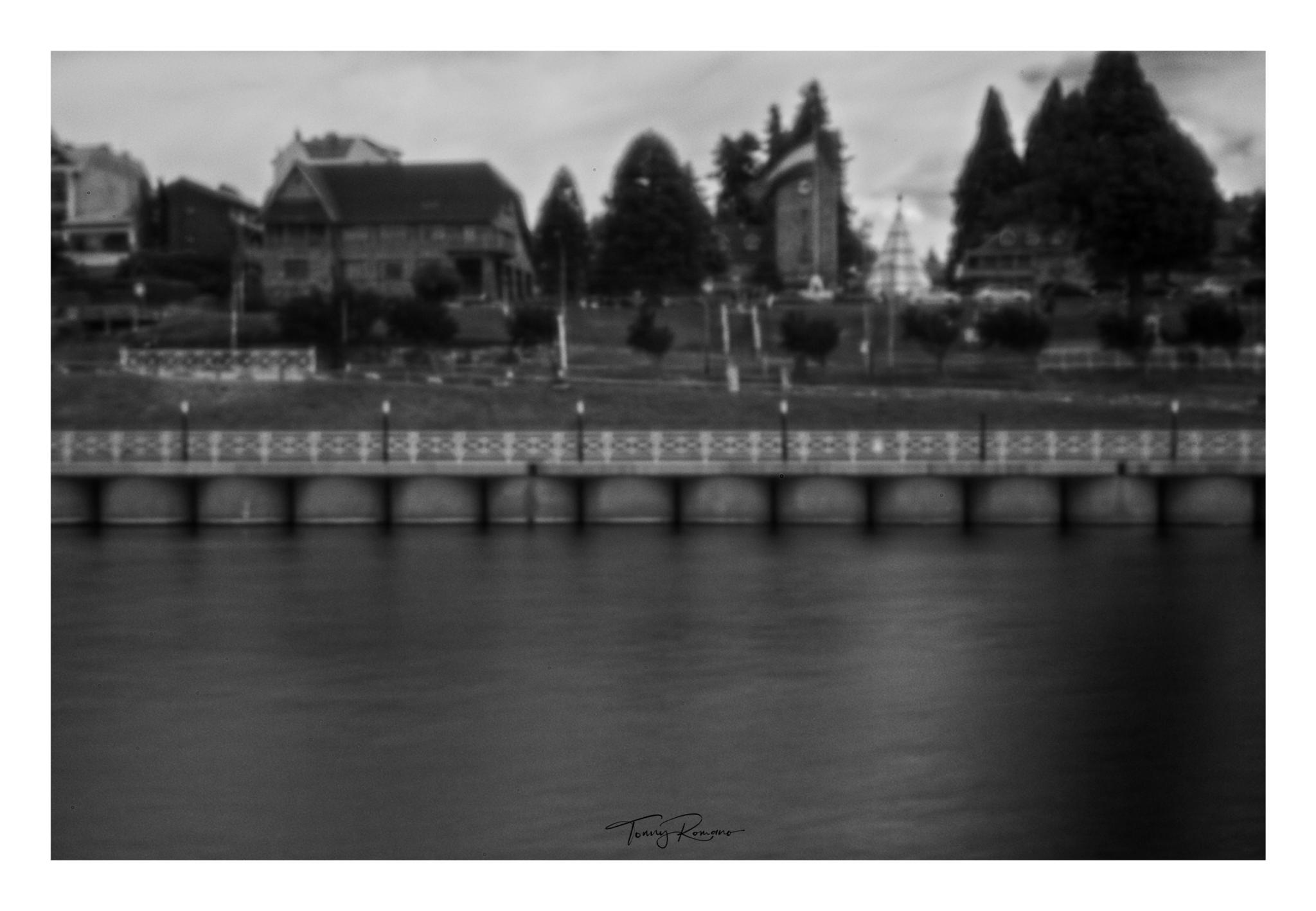
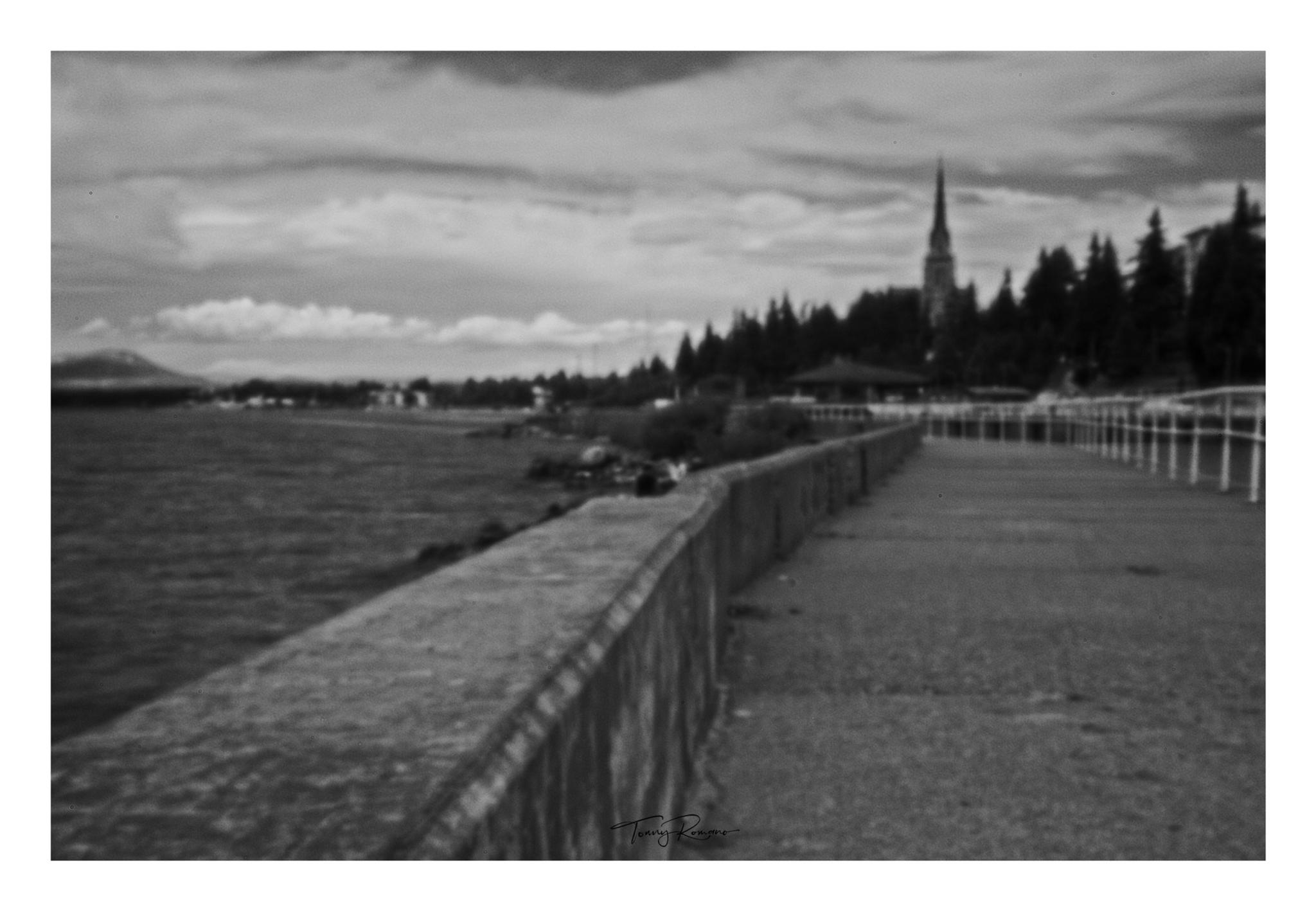
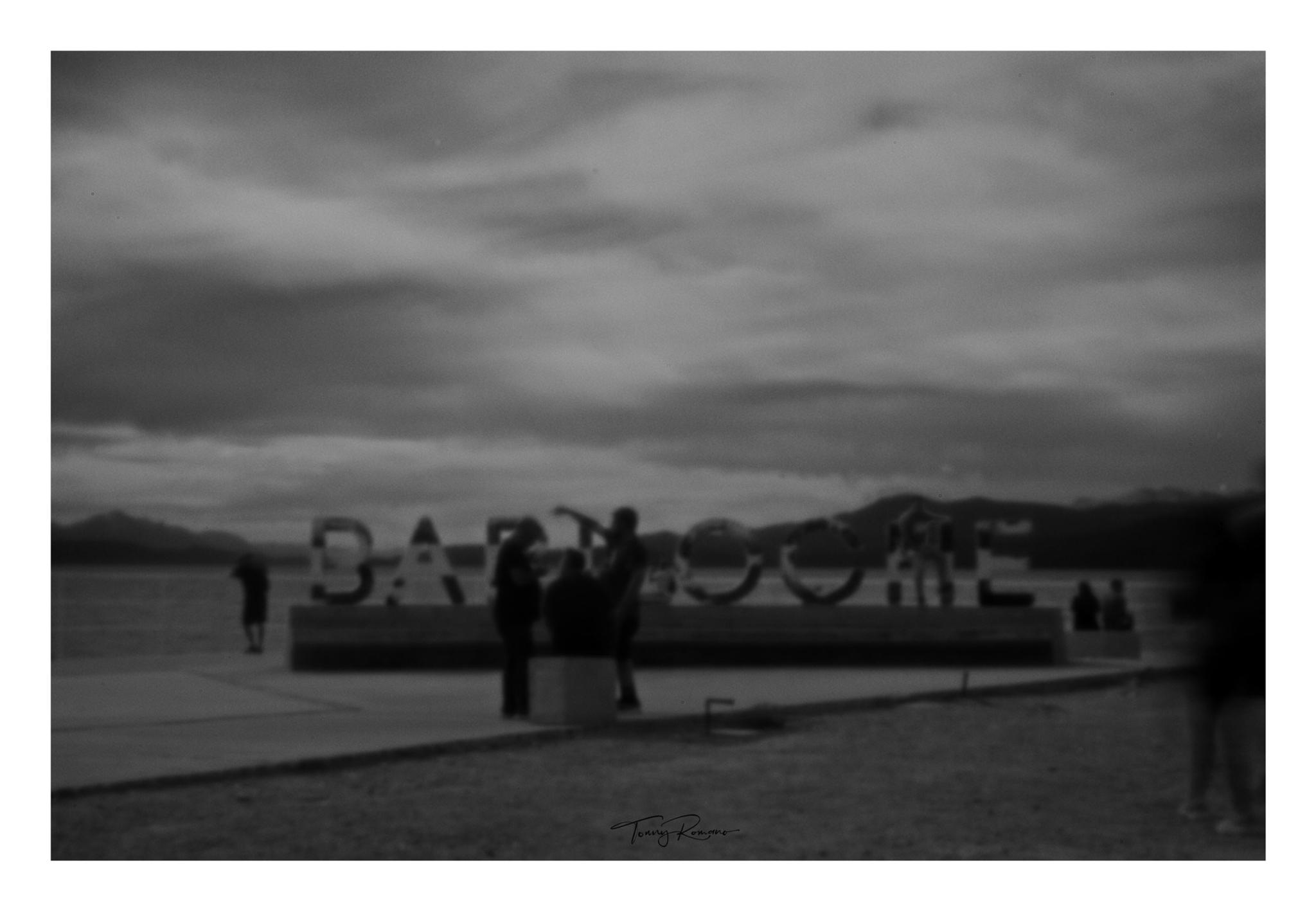
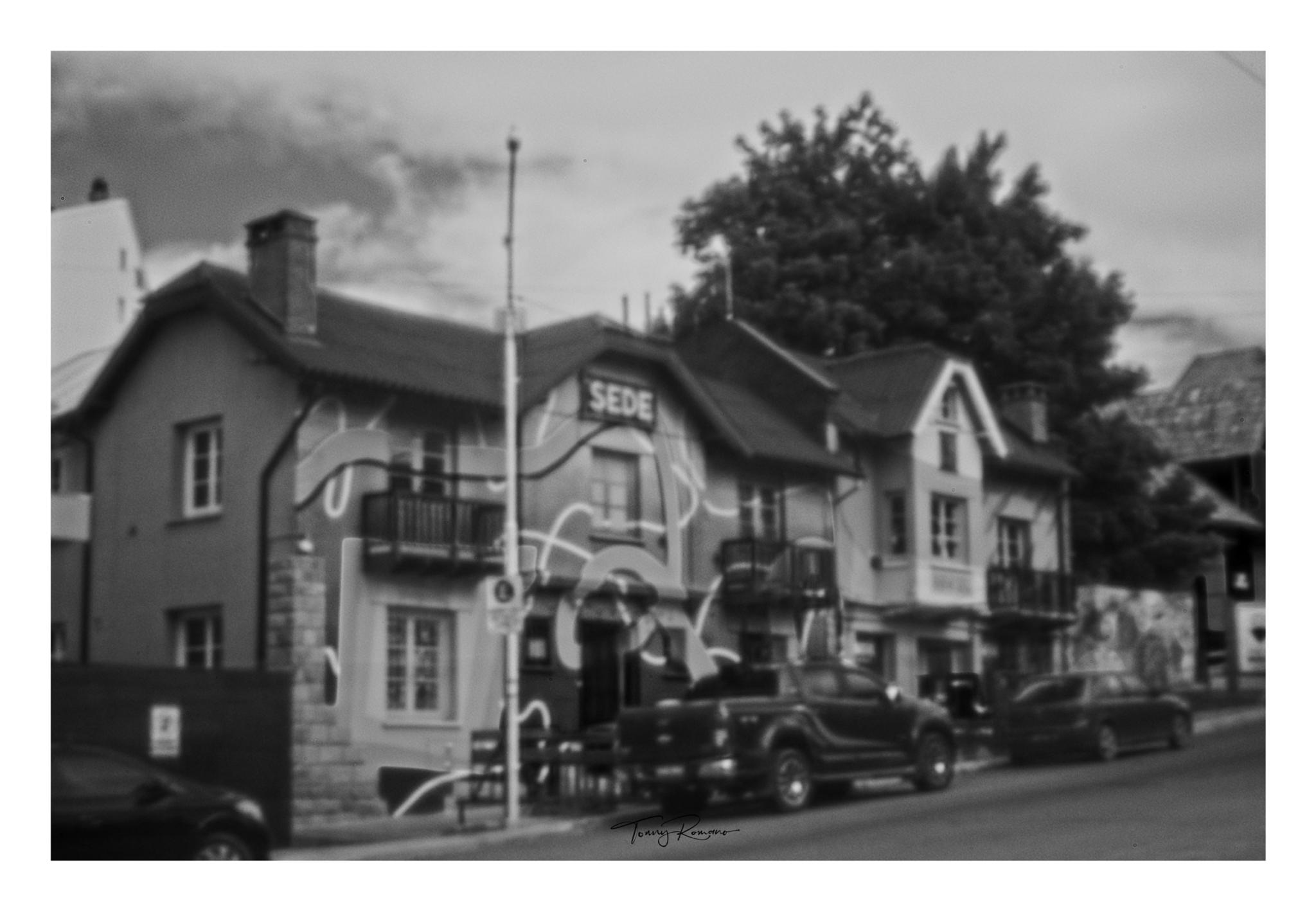
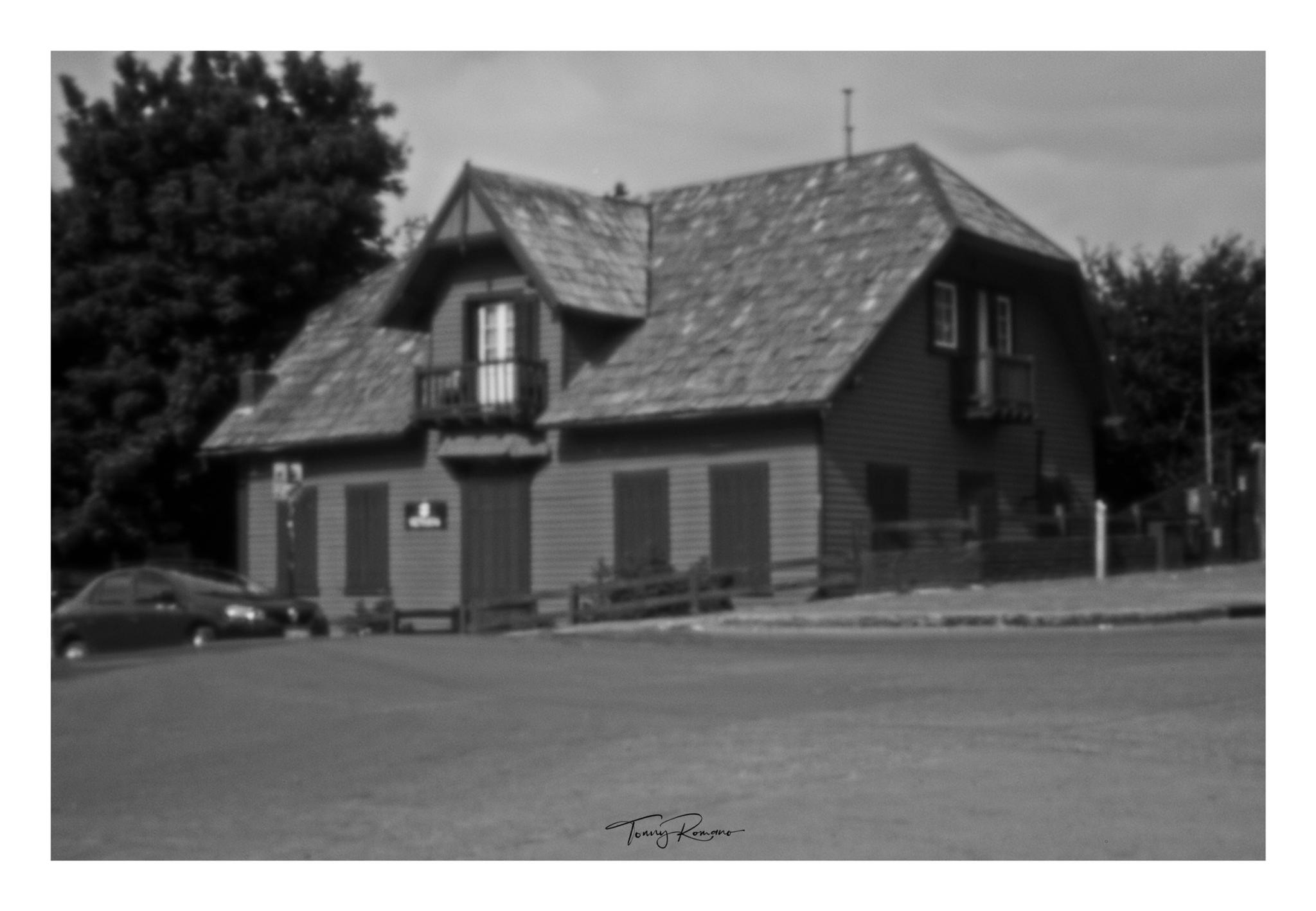
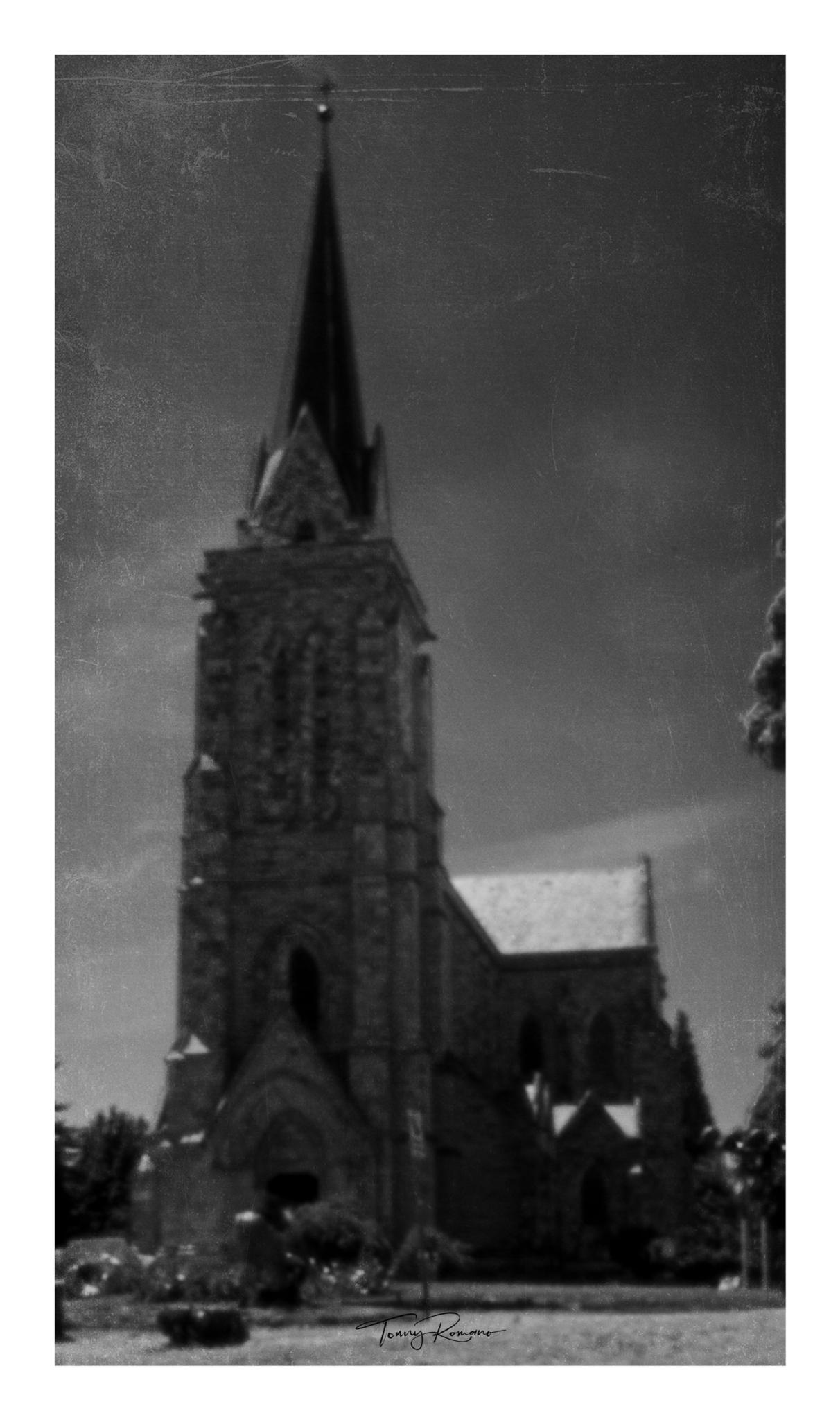
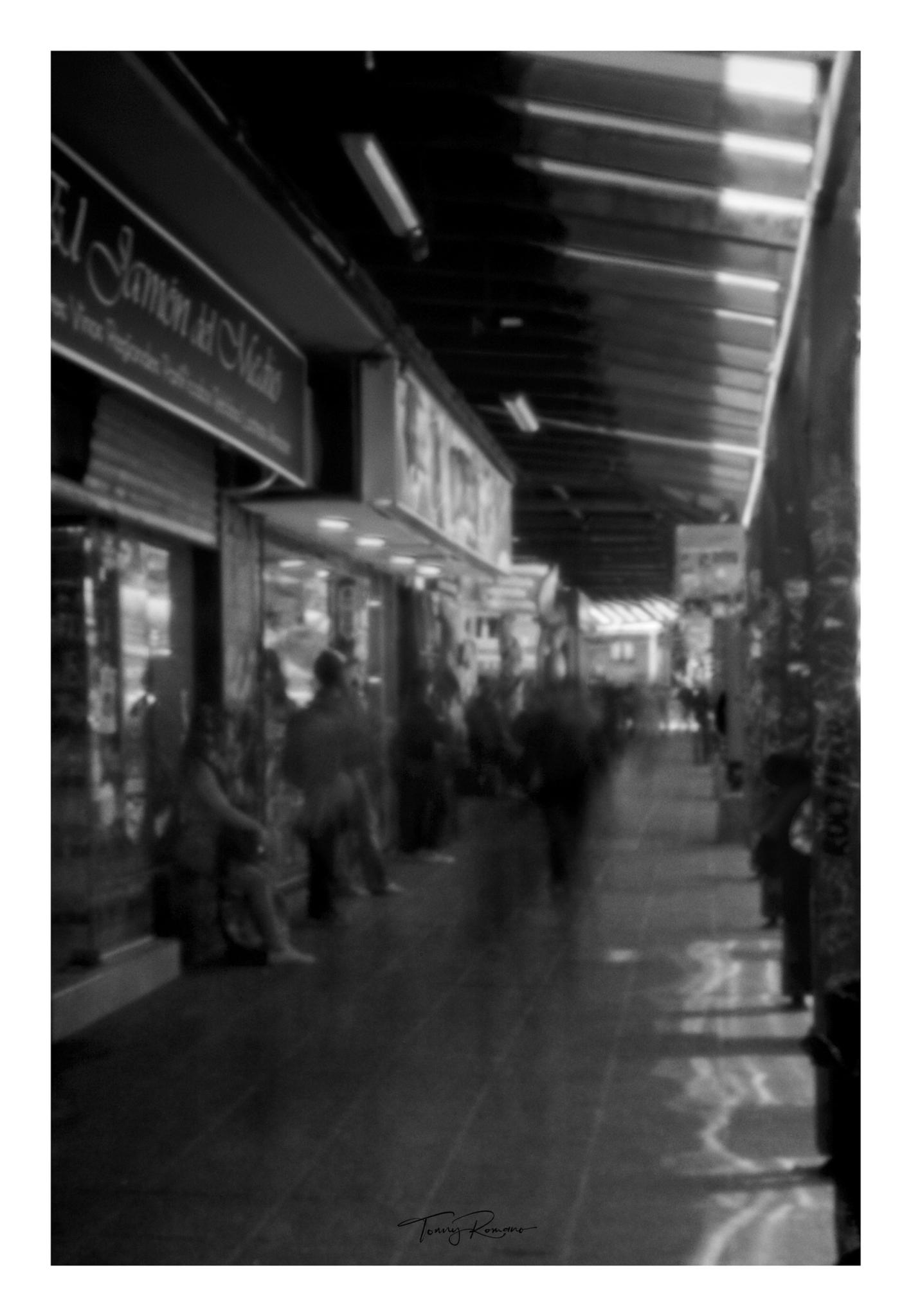
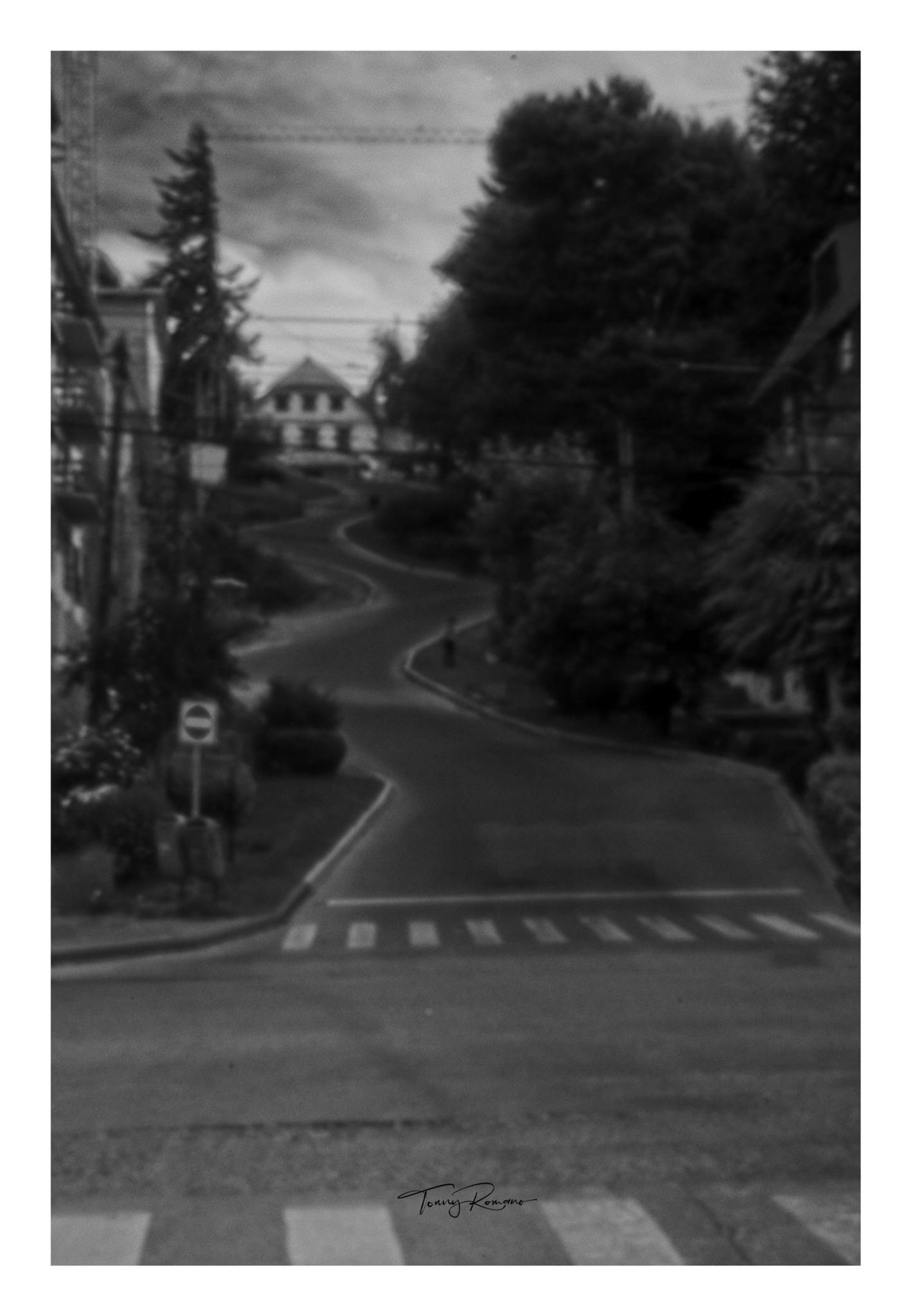
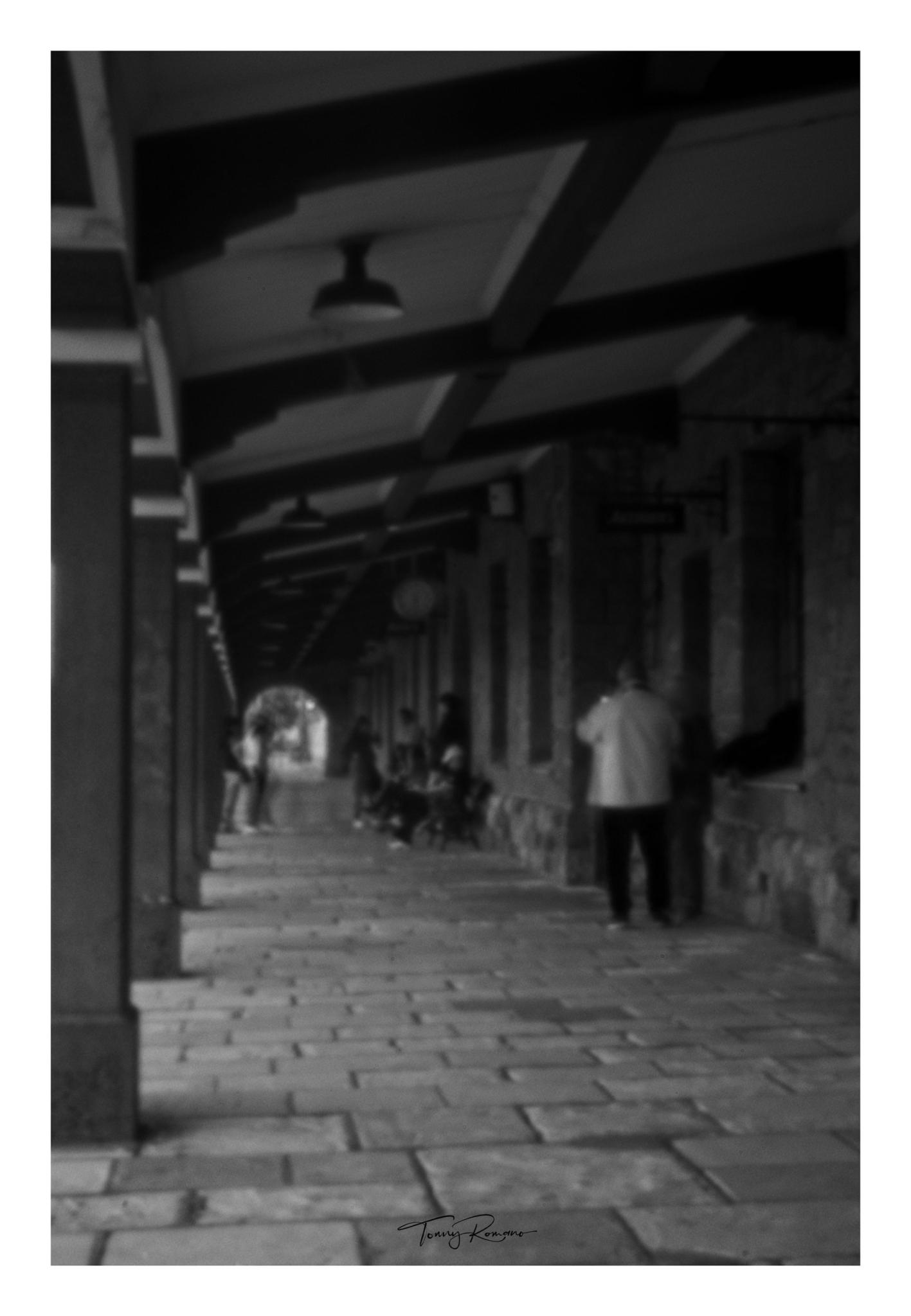
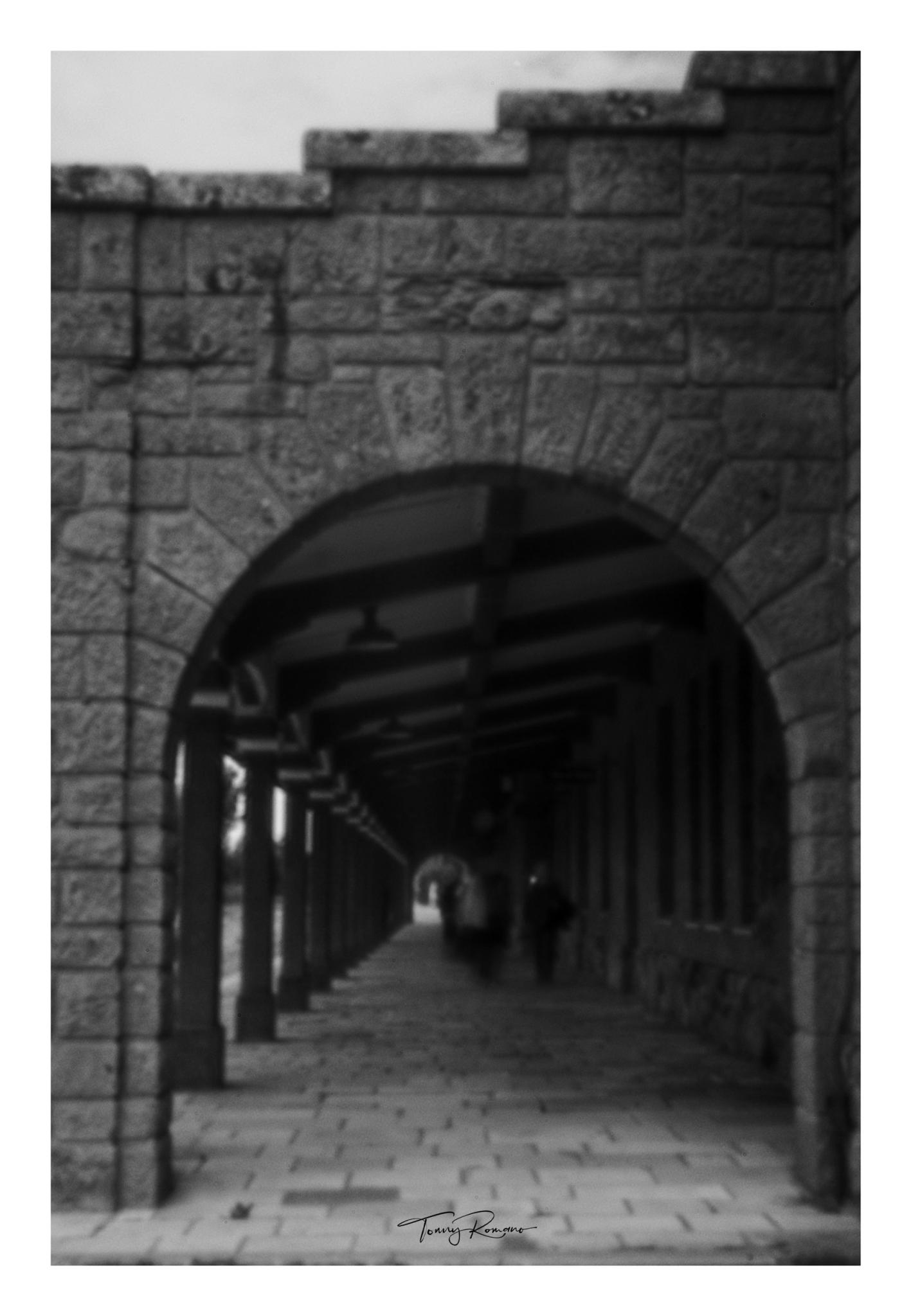
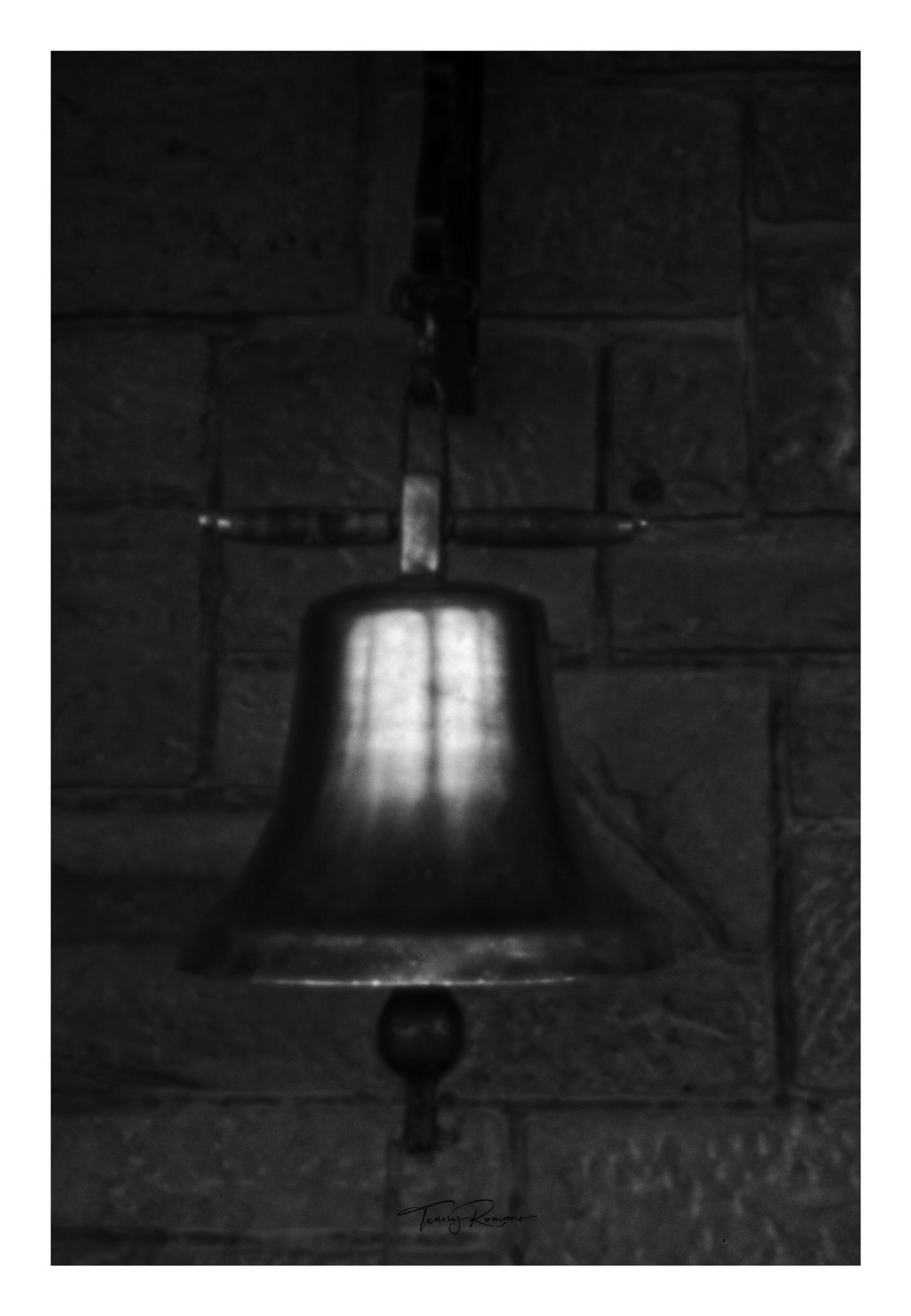
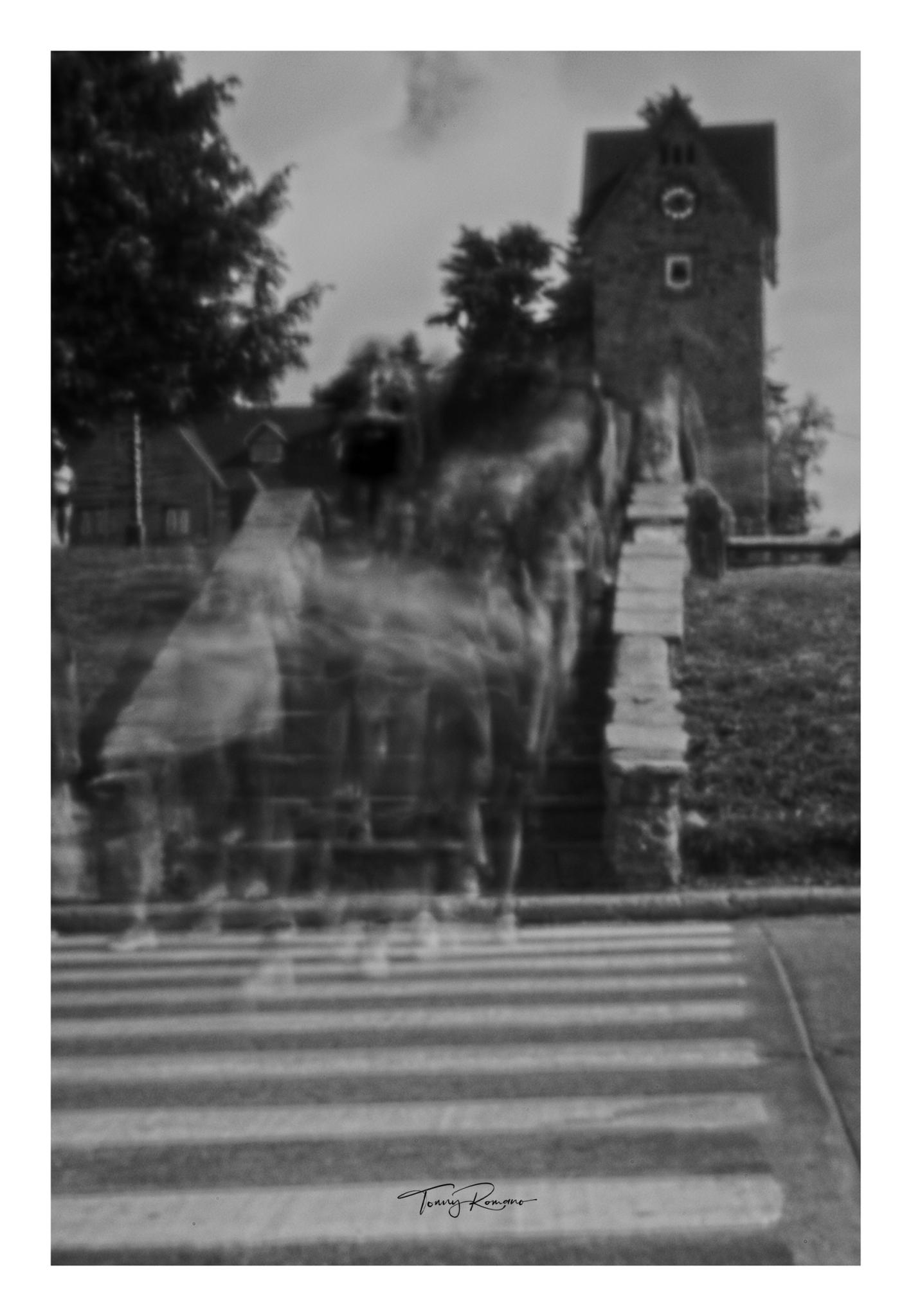
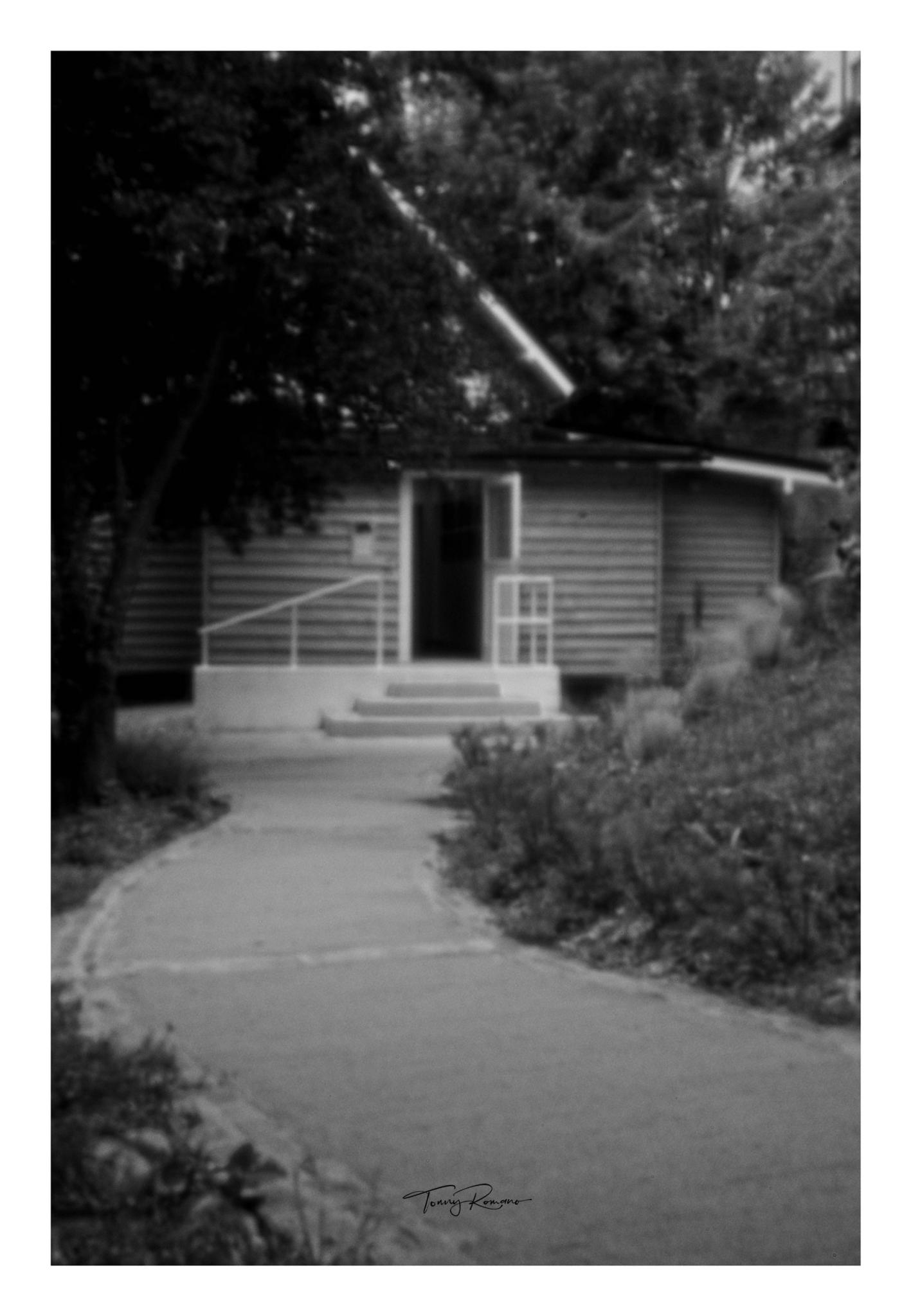
Under the look of the "dark camera"I thought of the photographs this way, perhaps sharing with the pioneers the enthusiasm of the changes and discoveries. this series of photographs taken with a rather modern digital team, but without conventional lens, only with a "stenopo," allowed me to travel the city where i live, with other eyes.
The correct direction of the
light, basic property to invent photography hundreds of years later, was
discovered by the chinese in the century v.
iv a. c.,Aristótelesreported the formation of images
stenopeics in his work "problems." in one of his books he wondered why
what when the light passes through a square hole or a basket work, no
form square but round images? the same study and rediscovery
later came from the hand ofLeonardo da vinci(1452-1519),paolo
toscanelli(1580) and papal astronomers showed using a
orifice and a mark in the observatory of the roma vatican to test the
dadGregorio xiiithat the spring equinox had been fixed
incorrectly march 11, instead of march 21. the popeGregorio xiiicorrected this error by terminating the julian calendar, giving way to the
gregorian calendar we use today.
The first photograph, but already with a precarious lens, was
obtained byjoseph-nicephore niepcein 1826.
The city. look at it and see it in another way.
i can tell.
This project will move over time trying to be more
in some way, taking advantage of the plasticity of the unnoticed to leave
to blow the imagination of the spectator into the worlds he wants to discover in
the shapes and perhaps colors you propose. we live too fast and it's good
to hold us back a little.
It's just a challenge i take on, to follow.
evolving in my creative thinking. bariloche, a beautiful city like
many others in the world... our eyes, concerns, research, cravings, curiosity,
we have to use them to find out.
Lakes, mountains, streets, people, cars modernism and
technologies that the discoverers of the process that then became photographic,
and could not imagine. simply a humble and small tribute to the effort and
dedication of all of them.
"the picture changed. i
i changed. everything changes, but your look is what will determine the quality of the
work. ".
The correct direction of the light, basic property to invent photography hundreds of years later, was discovered by the chinese in the century v. iv a. c.,Aristótelesreported the formation of images stenopeics in his work "problems." in one of his books he wondered why what when the light passes through a square hole or a basket work, no form square but round images? the same study and rediscovery later came from the hand ofLeonardo da vinci(1452-1519),paolo toscanelli(1580) and papal astronomers showed using a orifice and a mark in the observatory of the roma vatican to test the dadGregorio xiiithat the spring equinox had been fixed incorrectly march 11, instead of march 21. the popeGregorio xiiicorrected this error by terminating the julian calendar, giving way to the gregorian calendar we use today.
The first photograph, but already with a precarious lens, was obtained byjoseph-nicephore niepcein 1826.
The city. look at it and see it in another way. i can tell.
This project will move over time trying to be more in some way, taking advantage of the plasticity of the unnoticed to leave to blow the imagination of the spectator into the worlds he wants to discover in the shapes and perhaps colors you propose. we live too fast and it's good to hold us back a little.
It's just a challenge i take on, to follow. evolving in my creative thinking. bariloche, a beautiful city like many others in the world... our eyes, concerns, research, cravings, curiosity, we have to use them to find out.
Lakes, mountains, streets, people, cars modernism and technologies that the discoverers of the process that then became photographic, and could not imagine. simply a humble and small tribute to the effort and dedication of all of them.
"the picture changed. i i changed. everything changes, but your look is what will determine the quality of the work. ".